
How children’s brains process and store information
Young children’s brains work like incredibly active construction sites, constantly building new neural pathways and strengthening existing connections. When a child encounters new information, their brain creates networks of neurons that fire together, forming memories through a process called synaptic plasticity. This means the more often children practice recalling information, the stronger those memory pathways become.
The prefrontal cortex, which handles executive functions like working memory, develops gradually throughout childhood. This explains why young children might remember every detail about their favorite cartoon character but struggle to remember where they put their shoes. Their brains prioritize emotionally significant or frequently repeated information.
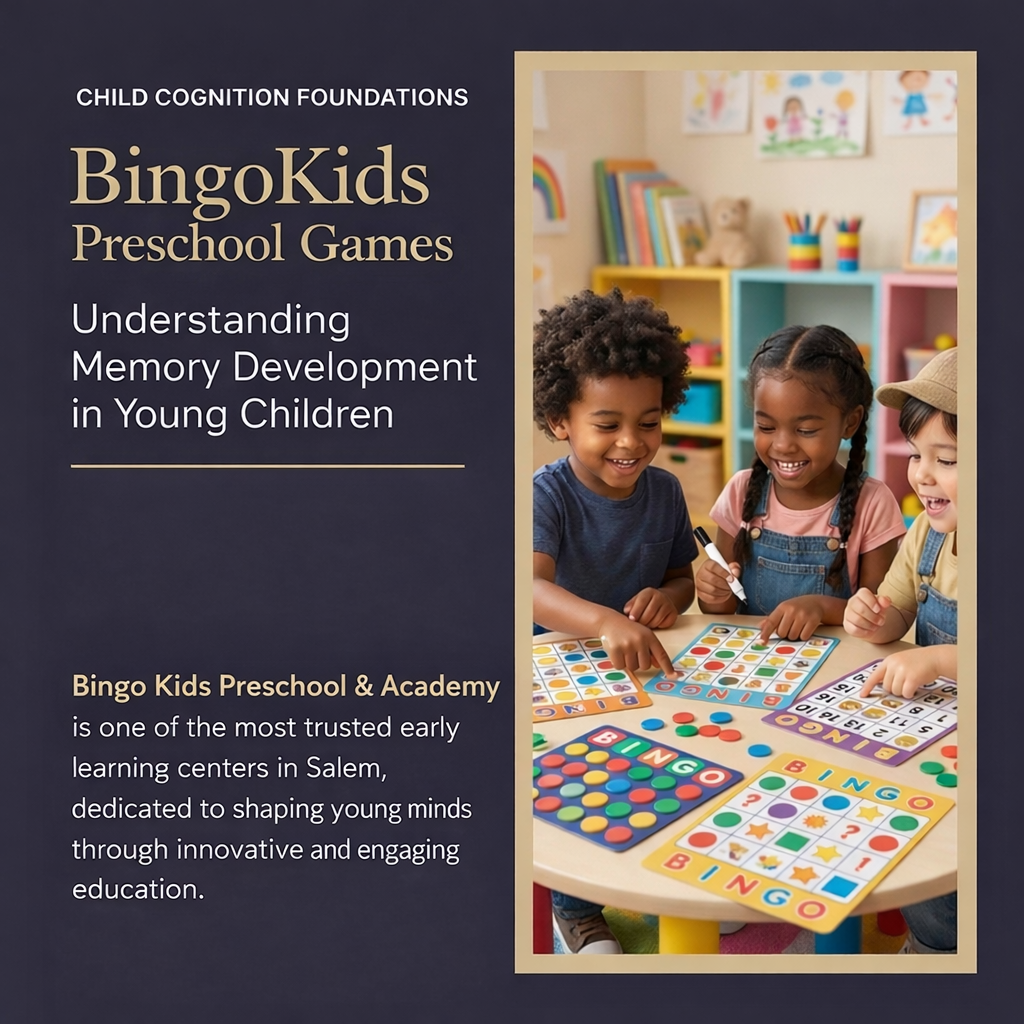
Children process information through multiple channels simultaneously. They combine visual, auditory, and tactile inputs to create richer memory traces. When playing bingo, kids engage several of these systems at once – they hear the called numbers, see the patterns on their cards, and physically mark their spots, creating multiple pathways to the same memory.
Critical memory development stages from ages 3-8
Between ages 3-4, children develop basic recognition memory and can remember familiar faces, objects, and simple routines. Their recall abilities are limited, but they excel at recognizing things they’ve seen before. During this stage, repetitive games help build foundational memory skills.
Ages 4-6 mark a significant leap in working memory capacity. Children can now hold 2-3 pieces of information in mind while completing tasks. They begin developing strategies for remembering, like rehearsal and categorization. This is when bingo games become particularly valuable, as children can track multiple numbers while listening for new ones.
The 6-8 age range brings dramatic improvements in long-term memory formation and retrieval. Children develop better organizational strategies and can consciously try to remember things. Their attention spans increase, allowing for longer bingo sessions that challenge their growing memory systems.
Factors that enhance memory formation in early years
Emotional engagement plays a huge role in memory formation. Children remember experiences that make them feel excited, proud, or surprised much better than neutral information. Bingo naturally creates these positive emotions through anticipation and achievement.
Repetition without monotony strengthens memory pathways. The key is varying the context while maintaining core elements. Different bingo themes, varying difficulty levels, and changing social settings keep the repetition fresh while building consistent memory skills.
Sleep quality directly impacts memory consolidation in young children. During sleep, their brains replay and strengthen the neural patterns formed during the day. Regular bingo sessions followed by adequate rest help cement these cognitive gains.
Social interaction enhances memory formation through shared attention and collaborative learning. When children play bingo with others, they benefit from social cues, shared excitement, and the motivation to perform well in front of peers.
The Role of Attention in Memory Building
Attention serves as the gateway to memory formation in young children. Without focused attention, information never makes it past temporary storage into lasting memories. Children’s attention systems mature gradually, with sustained attention improving significantly between ages 4-7.
Bingo games naturally capture and maintain children’s attention through several mechanisms. The unpredictable nature of number calling creates alertness, while the visual scanning required keeps children actively engaged. The game’s structure provides clear boundaries and expectations, helping children focus their attention productively.
Selective attention – the ability to focus on relevant information while filtering out distractions – develops through practice. Regular bingo playing helps children learn to concentrate on important auditory information (the called numbers) while managing visual distractions on their cards.