
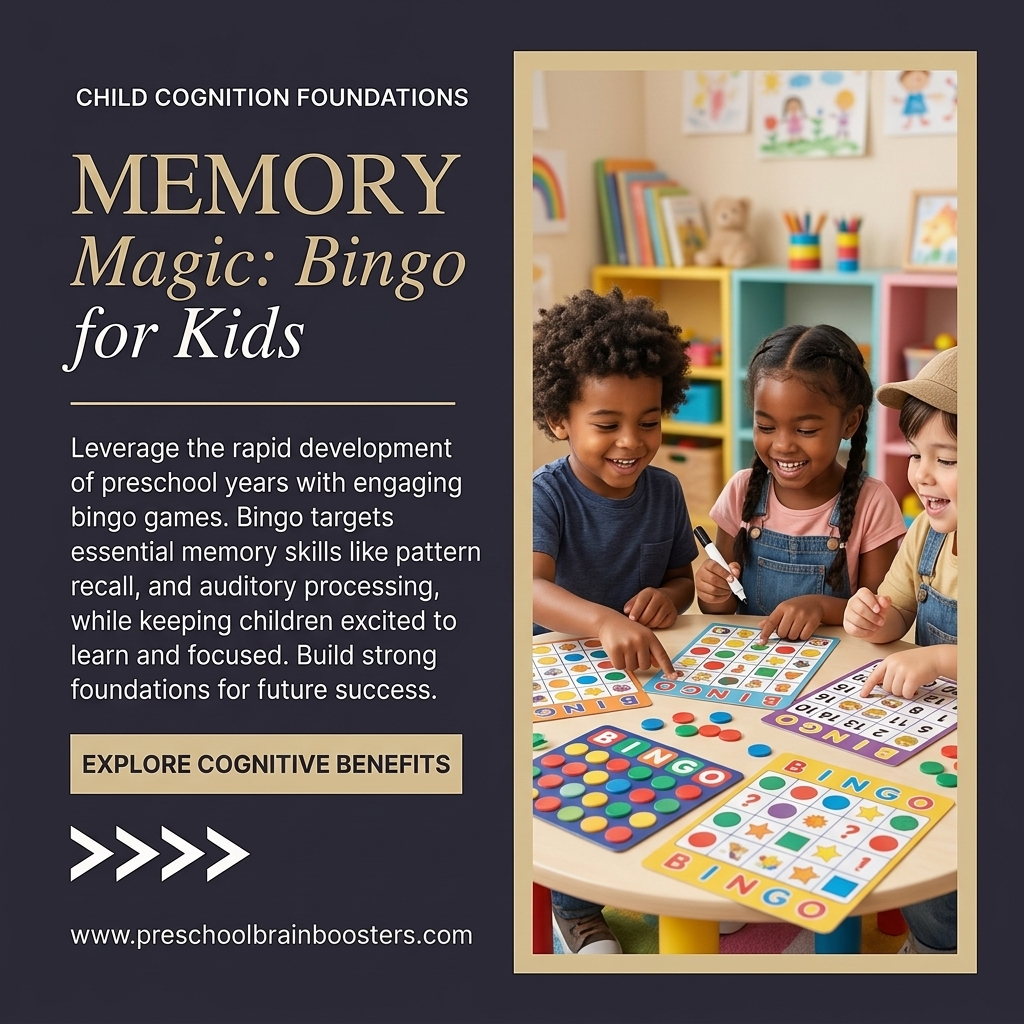
Strengthens attention span and focus duration
Bingo games naturally train children to maintain focus for extended periods. During a typical game, kids must stay alert for 15-30 minutes, listening carefully for called numbers while scanning their cards. This sustained attention requirement gradually builds their concentration muscles. Children who struggle to sit through a 10-minute story often find themselves engaged in bingo for much longer periods without realizing it.
The game’s structure creates what psychologists call “motivated attention” – children want to pay attention because the activity is enjoyable and rewarding. This positive association with focused behavior transfers to other activities. Teachers report that students who regularly play educational bingo games show improved classroom attention spans and can complete homework assignments with fewer breaks.
Improves information processing speed
Every bingo game is essentially a race against time and other players. When numbers are called, children must quickly process the auditory information, convert it to visual recognition, and scan their cards efficiently. This rapid processing requirement strengthens neural pathways responsible for quick thinking.
Research shows that children who play bingo regularly demonstrate faster reaction times in academic settings. They become quicker at recognizing patterns, matching information, and making connections between different types of data. The game’s fast-paced nature pushes their brains to process information more efficiently, creating lasting improvements in cognitive speed that benefit reading comprehension, math problem-solving, and test-taking abilities.
Develops multitasking abilities between listening and searching
Bingo requires children to juggle multiple cognitive tasks simultaneously. They must listen to the caller, process what they heard, remember the number, and visually search their card – all while maintaining awareness of the game’s progress and their potential winning combinations.
This multitasking challenge strengthens executive function skills. Children learn to divide their attention effectively without losing track of important information. The visual-auditory coordination required in bingo mirrors many classroom activities where students must listen to instructions while reading or writing. Parents notice that children who play bingo regularly become better at following multi-step directions and can handle homework that requires switching between different types of tasks.
Builds confidence through repeated successful memory exercises
Bingo provides frequent opportunities for small victories that boost memory confidence. Every successful number match reinforces a child’s belief in their cognitive abilities. Unlike many academic activities where mistakes are highlighted, bingo celebrates every correct identification, creating positive associations with memory tasks.
This confidence building is particularly valuable for children who struggle with traditional memory exercises. The game’s supportive environment allows them to practice memory skills without fear of failure. As children experience repeated success in remembering number patterns and card layouts, they develop greater confidence in their overall learning abilities, leading to improved performance in school subjects that rely heavily on memory skills.