Age-appropriate bingo variations for different developmental stages
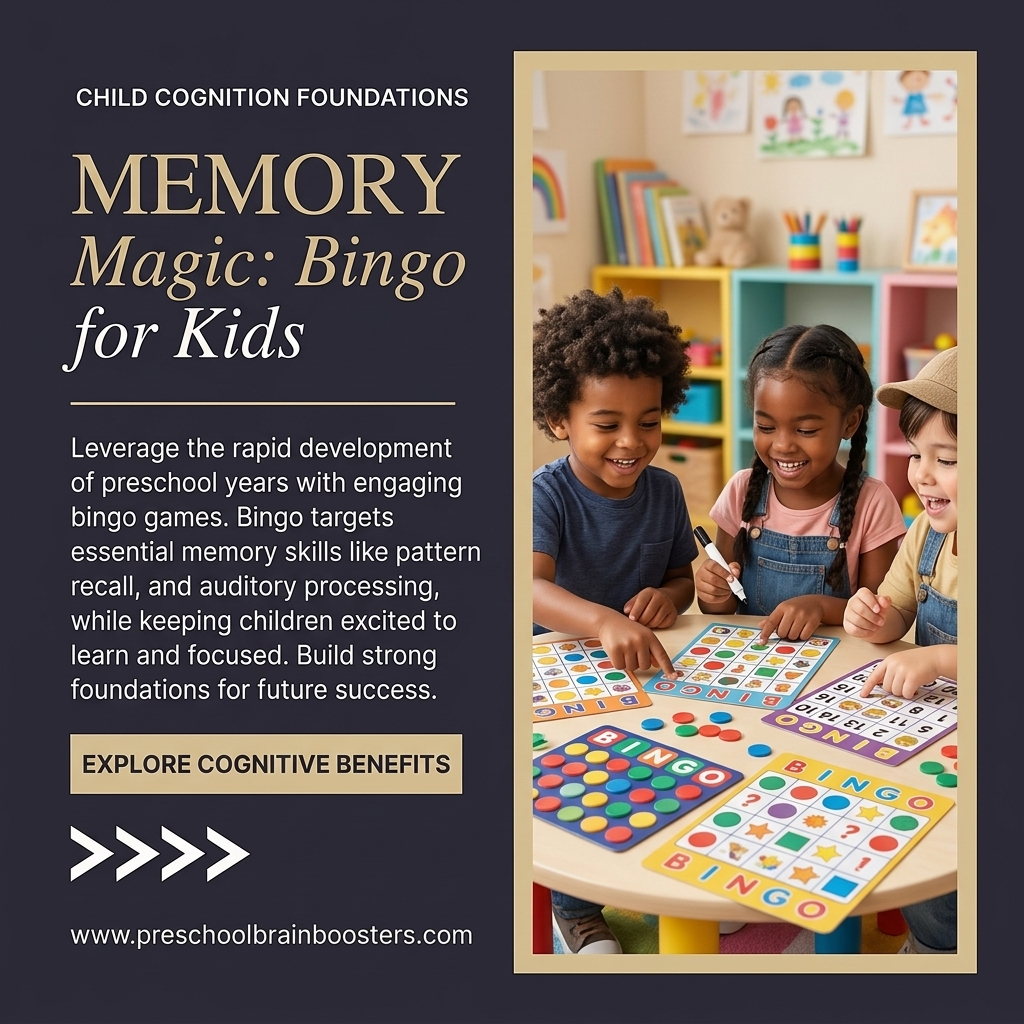
Tailoring bingo games to specific age groups maximizes memory benefits and keeps children engaged. For toddlers aged 2-3, picture bingo with simple, familiar objects works best. Use large cards with four squares featuring items like animals, toys, or family members. Call out the items clearly and allow children to physically place tokens on matching pictures.
Preschoolers aged 4-5 can handle more complex variations. Number bingo with dots or numerals helps develop counting skills while building working memory. Color and shape bingo games challenge pattern recognition and visual memory. These children enjoy themed versions featuring their favorite characters or seasonal items.
Elementary-aged children (6-8) benefit from word bingo games that combine reading skills with memory development. Math bingo using addition or subtraction problems strengthens both computational and recall abilities. Geography bingo with states, countries, or landmarks builds long-term memory networks.
For advanced learners (9+), create multi-step bingo games requiring strategy and planning. Fraction bingo, vocabulary bingo with definitions, or historical timeline bingo challenge multiple memory systems simultaneously. These variations demand sustained attention and complex cognitive processing.
Creating memory-boosting bingo games at home
Parents can easily design custom bingo games using household materials and everyday learning opportunities. Start with poster board or cardboard cut into squares, creating reusable cards with clear plastic sleeves. Dry-erase markers allow for endless customization and repeated use.
Photo bingo personalizes the experience using family pictures, vacation memories, or neighborhood landmarks. This approach strengthens autobiographical memory while making the game more meaningful. Children remember information better when it connects to personal experiences.
Kitchen bingo incorporates cooking and nutrition education. Create cards featuring fruits, vegetables, kitchen utensils, or cooking terms. This variation builds vocabulary while reinforcing healthy eating concepts. Children learn through multiple sensory channels when they can touch, smell, and taste the items.
Seasonal bingo games align with holidays, weather changes, or school events. Spring bingo might feature flowers, gardening tools, or baby animals. Winter versions could include weather terms, holiday traditions, or winter sports. Regular rotation keeps the games fresh and relevant.
Technology integration enhances traditional bingo through apps or online generators. Many free websites allow custom card creation with professional layouts. Digital versions can include sound effects, animations, or automatic calling features that maintain engagement while parents supervise other activities.
Integrating bingo into classroom learning activities
Teachers can seamlessly weave bingo games into daily instruction across all subject areas. Morning warm-up bingo reviews previous day’s lessons, activating prior knowledge before new content introduction. This practice strengthens memory consolidation and creates positive learning associations.
Subject-specific bingo transforms abstract concepts into engaging activities. Science bingo featuring lab equipment, chemical symbols, or life cycle stages makes technical vocabulary memorable. Literature bingo using character names, plot elements, or literary devices helps students retain story details and analytical concepts.
Cross-curricular bingo connects multiple subjects simultaneously. Historical figure bingo might include mathematicians, scientists, and artists from specific time periods. This approach builds broader knowledge networks and helps children see connections between different areas of learning.
Group variations encourage collaboration while building social memory skills. Team bingo requires students to work together, discussing answers and sharing knowledge. Relay bingo has teams taking turns, building both individual and collective memory skills.
Assessment bingo provides alternative evaluation methods that feel less intimidating than traditional tests. Teachers can observe student responses, note areas of confusion, and adjust instruction accordingly. This format reduces test anxiety while providing valuable learning feedback.
Measuring and tracking memory improvement progress
Effective progress monitoring combines observation, documentation, and data collection to track memory development over time. Create simple tracking sheets recording response times, accuracy rates, and attention span during bingo sessions. Weekly measurements show gradual improvement patterns that might not be obvious day-to-day.
Baseline assessments establish starting points before introducing regular bingo activities. Test children’s ability to remember sequences, recognize patterns, or recall specific information. Compare these initial results with periodic reassessments using similar tasks to measure growth.
Digital tracking tools simplify data collection and analysis. Smartphone apps or simple spreadsheets can record session dates, game types, difficulty levels, and performance scores. Visual graphs help parents and teachers identify trends and celebrate progress milestones.
Portfolio approaches collect work samples showing memory skill development. Save completed bingo cards, record videos of children explaining their strategies, or document increasingly complex games they can handle successfully. These artifacts provide concrete evidence of cognitive growth.
Collaborative monitoring involves children in their own progress tracking. Teach them to recognize their improving performance, set personal goals, and celebrate achievements. Self-awareness builds metacognitive skills that support memory development beyond game time.
Regular review meetings with parents, teachers, and children create accountability and motivation. Monthly check-ins discuss what’s working well, identify challenges, and adjust strategies as needed. This collaborative approach ensures everyone stays focused on memory development goals while maintaining the fun, engaging nature of bingo games.