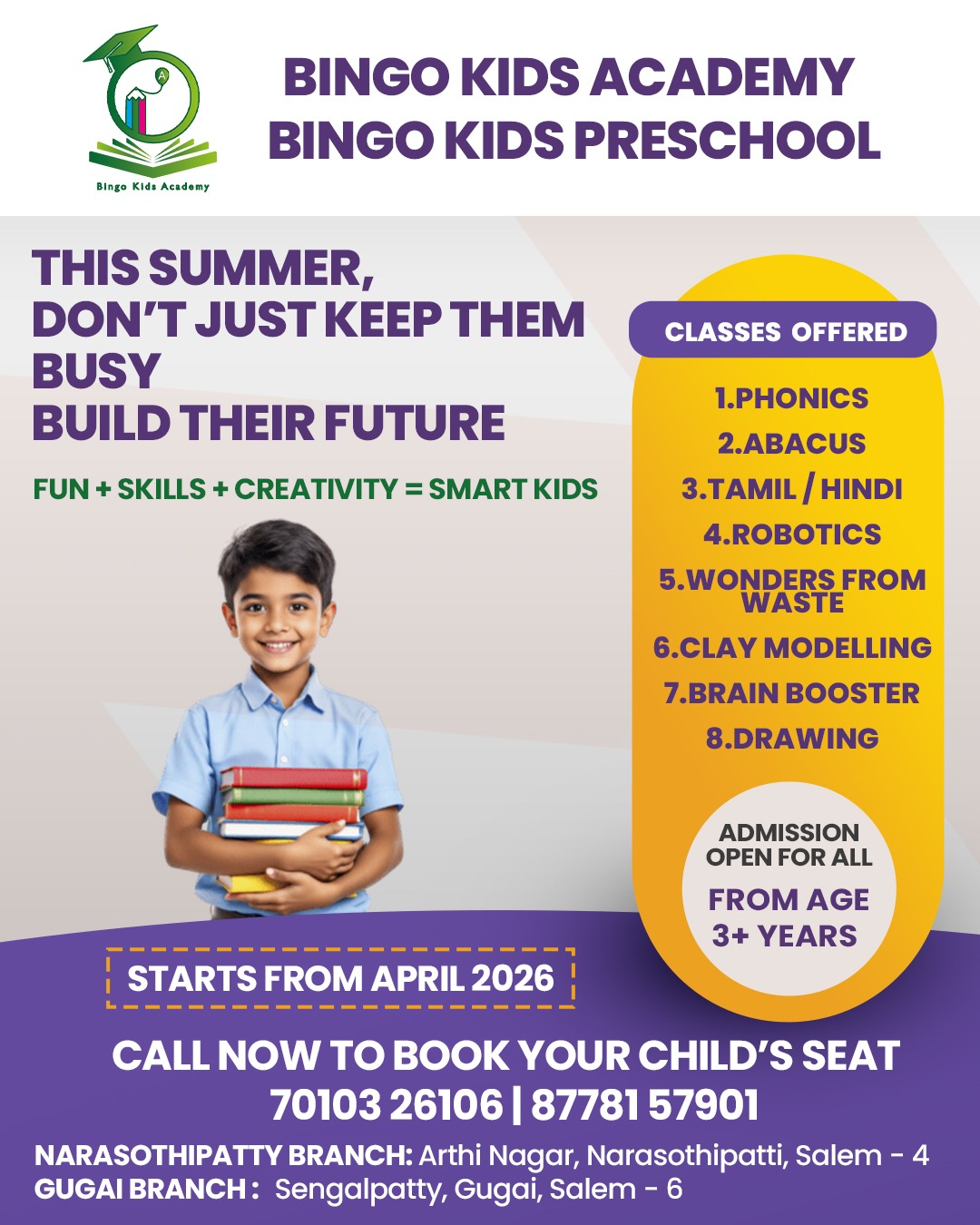
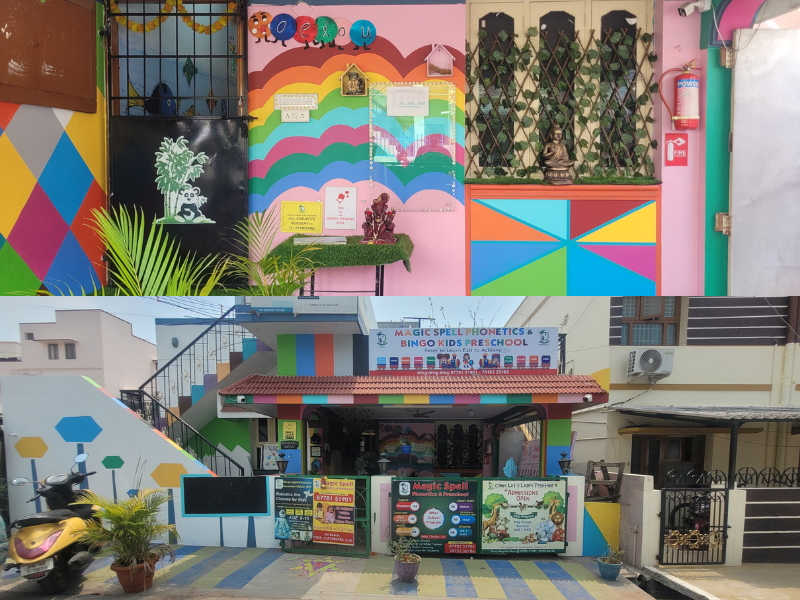
The Role of Play-Based Learning in Preschool Education: Play-based learning has become a cornerstone of modern early childhood education, and at Bingo Kids Preschool & Academy in Salem, it is at the heart of everything we do. Unlike traditional teaching methods that rely heavily on rote memorization, play-based learning encourages children to explore, discover, and understand the world around them in a natural and enjoyable way. This approach not only makes learning fun but also supports the overall development of young minds.
In the early years, children are naturally curious and eager to learn. Play-based learning taps into this curiosity by turning everyday lessons into engaging activities. Instead of sitting passively and memorizing information, children actively participate in games, storytelling, and hands-on experiences. Activities like Bingo are a perfect example of how structured play can be both fun and educational. Through Bingo, children learn to recognize patterns, improve listening skills, and develop quick thinking—all while enjoying the process.
One of the key benefits of play-based learning is that it builds confidence in children. When kids are allowed to learn through play, they feel less pressure and more freedom to express themselves. They are not afraid of making mistakes because the environment is supportive and encouraging. At Bingo Kids Preschool & Academy, teachers create a safe space where every child feels valued and motivated to participate. This positive atmosphere helps children develop self-confidence and a love for learning that stays with them for years.
Another important advantage of play-based learning is that it fosters creativity and imagination. Activities are designed to encourage children to think outside the box and come up with their own ideas. Whether it’s a themed Bingo game, role-playing activity, or creative storytelling session, children are constantly using their imagination. This not only enhances their creative skills but also improves problem-solving abilities.
Social interaction is another crucial aspect of play-based learning. When children participate in group activities like Bingo, they learn important social skills such as sharing, taking turns, and working as a team. These interactions help them build friendships and develop emotional intelligence. At Bingo Kids Preschool & Academy, collaborative play is encouraged to ensure that children grow not just academically but also socially and emotionally.
Play-based learning also supports cognitive development. Games like Bingo require children to listen carefully, identify patterns, and respond quickly. These actions strengthen memory, attention span, and critical thinking skills. Over time, children become more focused and better equipped to handle more complex learning tasks. This method lays a strong foundation for future academic success.
From an SEO perspective, parents often search for terms like “play-based learning in preschool,” “best preschool in Salem,” and “fun learning activities for kids.” Bingo Kids Preschool & Academy aligns perfectly with these needs by offering a balanced approach that combines education with enjoyment. By integrating play into daily lessons, the academy ensures that children remain engaged and excited about learning.
Parents also appreciate the benefits of play-based learning because it can be continued at home. Simple activities like playing Bingo, building blocks, or storytelling can reinforce what children learn in school. This creates a consistent learning environment that supports the child’s growth and development.
In conclusion, play-based learning is a powerful and effective approach to early childhood education. At Bingo Kids Preschool & Academy, it is used to create meaningful and enjoyable learning experiences for every child. By focusing on interaction, creativity, and engagement, this method helps children build confidence, develop essential skills, and cultivate a lifelong love for learning. Choosing a preschool that values play-based education is one of the best decisions parents can make for their child’s future.